
RFQ Preparation Checklist
- Detail tortuosity requirements
- Specify ultra-thin wall tolerances
- List material preferences
Ultra-thin wall hypotubes and nitinol components for neurovascular access.
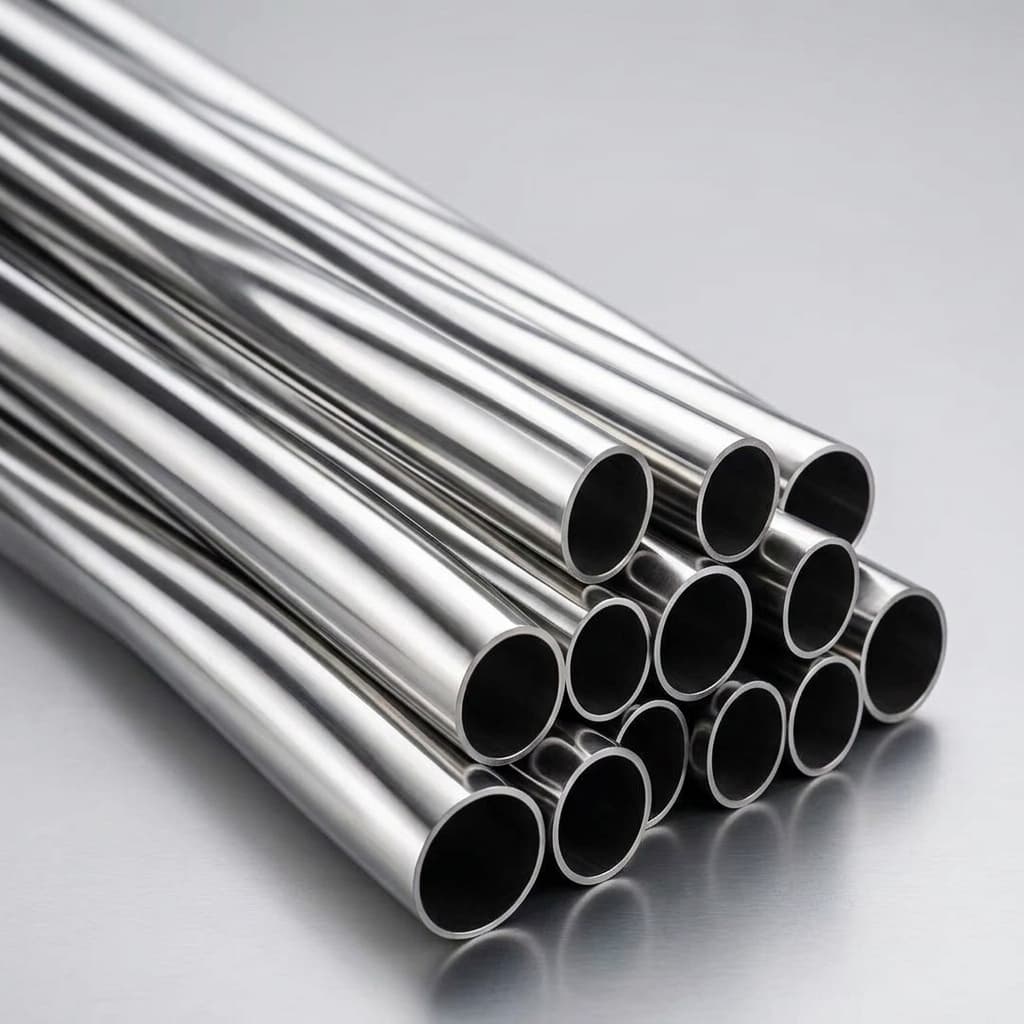
| Evaluation Metric | Typical Range | Buyer Relevance |
|---|---|---|
| Wall thickness | Ultra-thin | Maximizes inner lumen for device passage. |
| Flexibility control | Nitinol tube, spiral cut, slot pattern, or thin-wall SS | Determines whether the component can navigate tortuous neurovascular anatomy. |
| Surface and burr control | Microscopy, electropolish, passivation, cleaning | Small defects can dominate risk in microcatheter and coil delivery components. |
| Decision Factor | Confirm Before Quote | Buyer Impact |
|---|---|---|
| Anatomy-driven flexibility | Target vessel path, bend radius, distal softness, and kink-resistance expectation. | Connects material and laser pattern choices to the access path instead of using generic tube sizes. |
| Lumen preservation | OD/ID/wall stack, concentricity, ovality, and guidewire or device passage requirement. | Protects usable lumen in microcatheters where every micron affects flow or device passage. |
| Defect sensitivity | Burr limit, edge radius, HAZ/recast tolerance, inspection magnification, and cleaning route. | Reduces the chance that a small feature defect becomes a validation failure. |
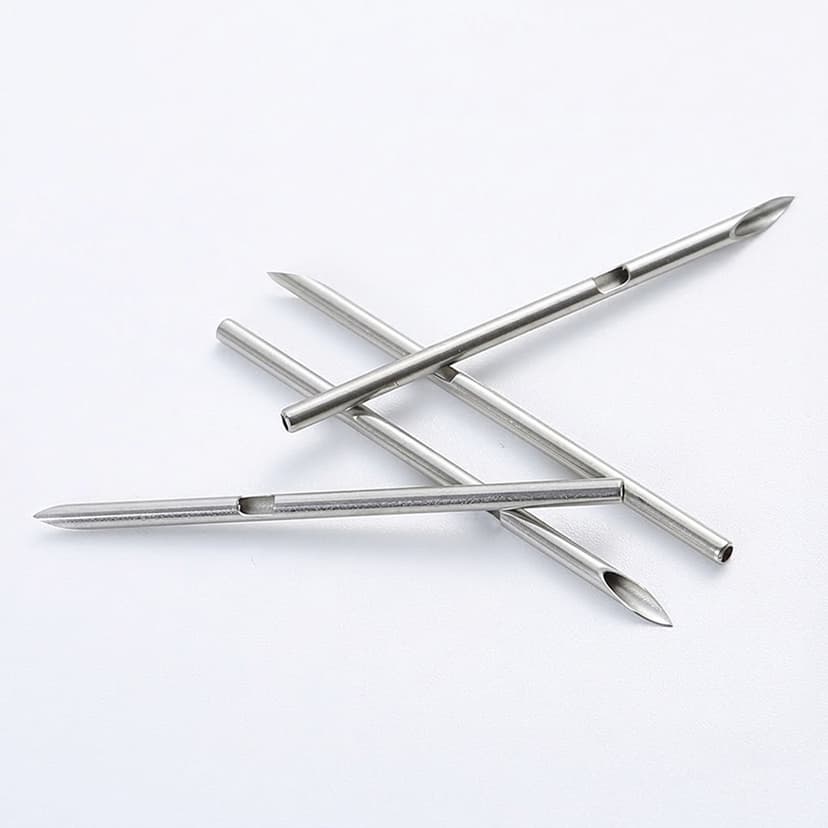
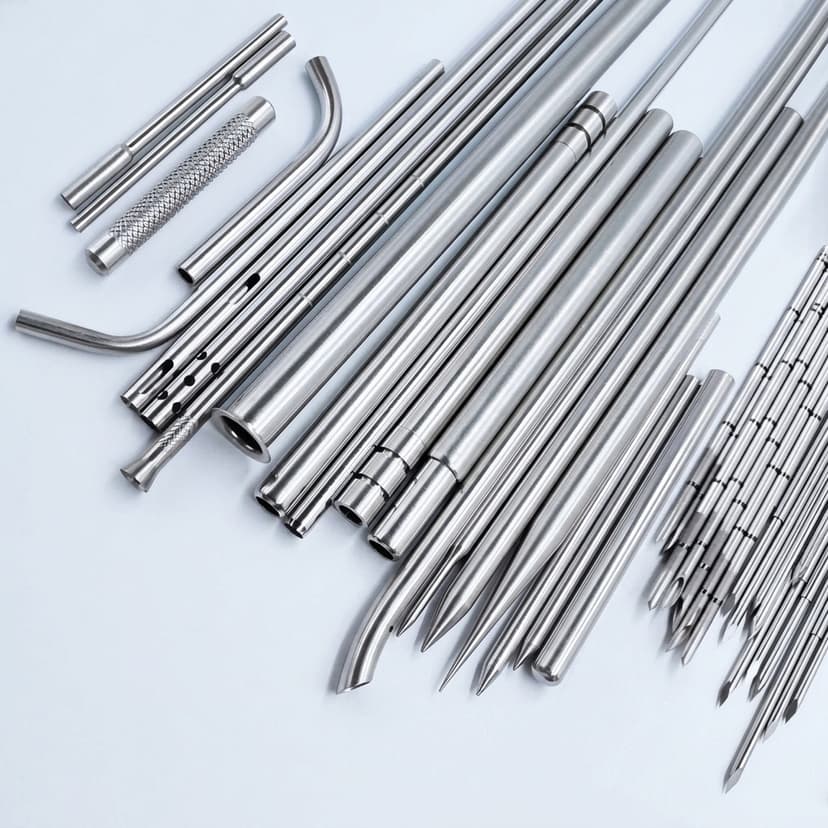
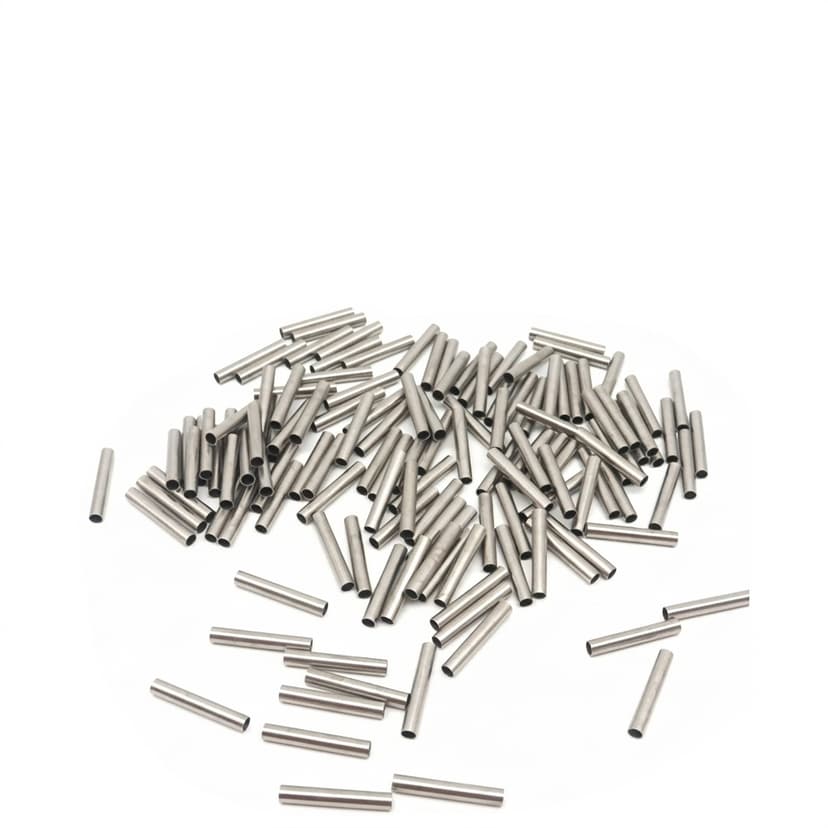
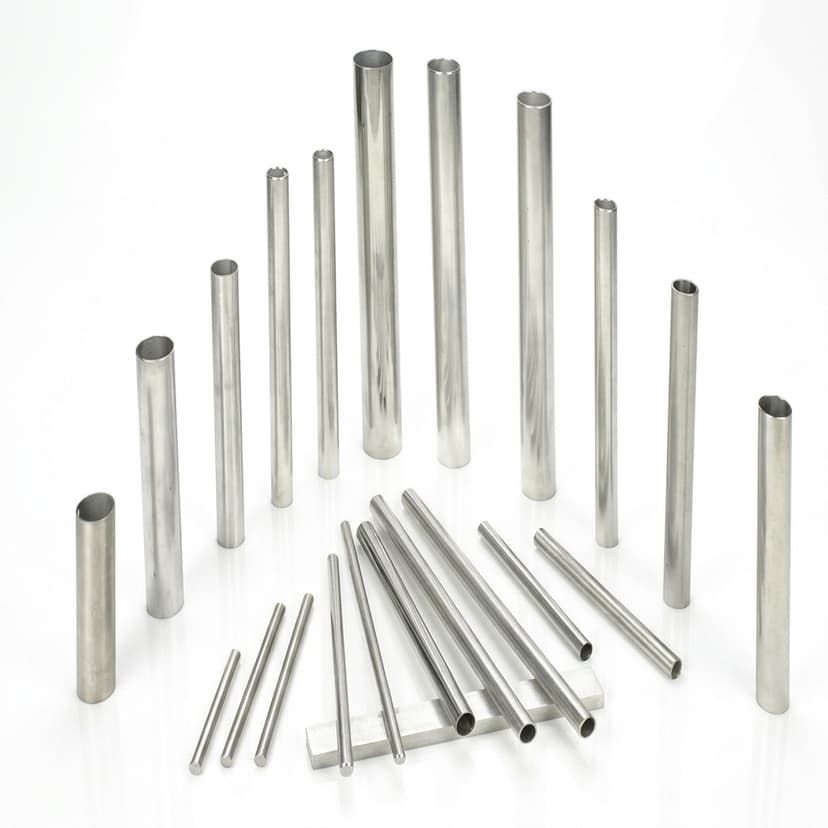
Depends on material, often down to 0.001".
Nitinol is preferred when superelastic recovery and extreme flexibility are central; stainless steel can fit support sections where pushability and predictable tube dimensions matter more.
Inquiry Email
Best for drawings, tolerance tables, inspection needs, and quote history.
Instant Chat
+8618857971991
Fast path for OD/ID, material, sample quantity, and lead-time questions.