
±0.01mm
Common Tolerance Target
Reviewed against OD, ID, wall, length, and drawing-critical features.
Laser-cut hypotubes, nitinol tubing, marker bands, and micro tube components with drawing-based tolerance review, burr-control planning, electropolishing, inspection evidence, and sample-to-production support.
Inquiry Email
Best for drawings, tolerance tables, inspection needs, and quote history.
Instant Chat
+8618857971991
Fast path for OD/ID, material, sample quantity, and lead-time questions.
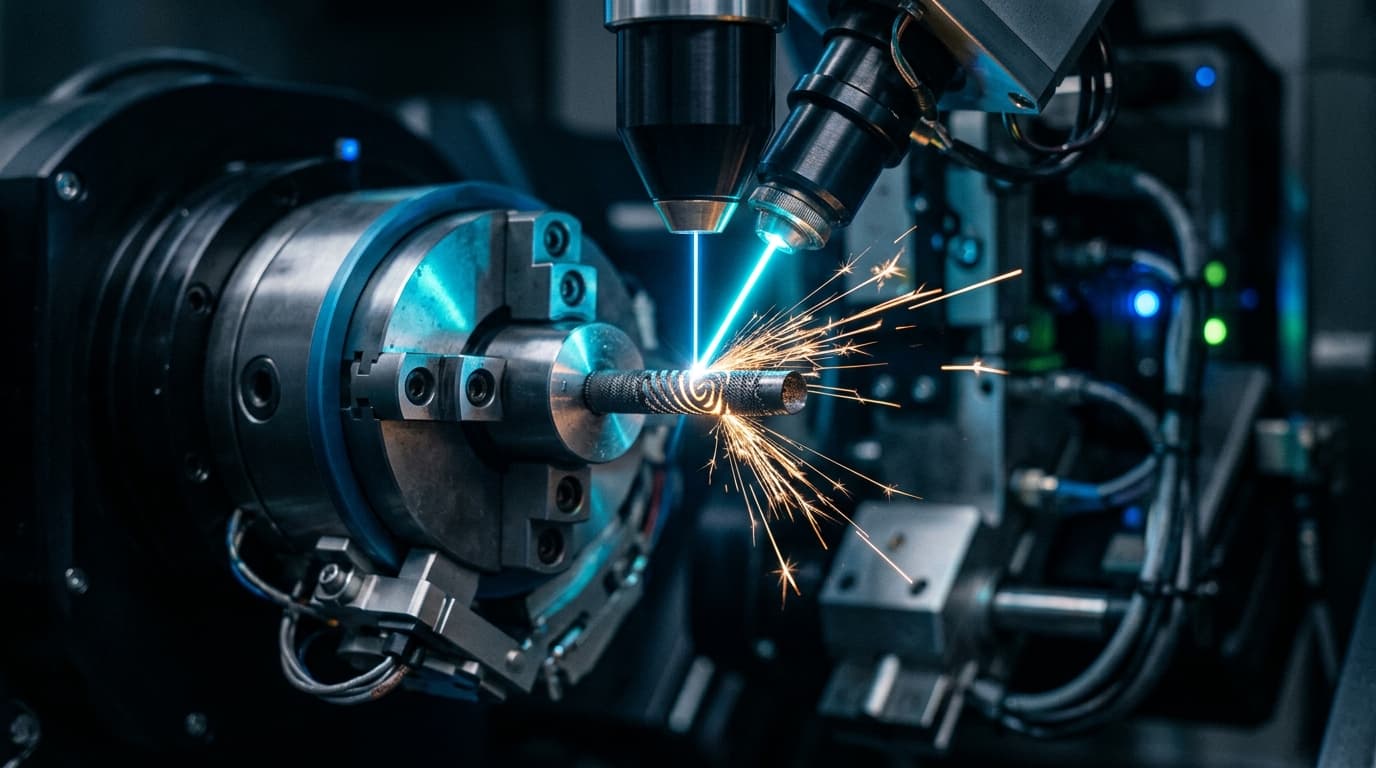
Stable batch production and export-ready project execution.
OD/ID/wall, laser pattern, material, and surface-finish review support.
Process checkpoints, documentation, and lead-time planning.
Typical Engineering Review Signals
Use these figures as starting points for drawing review. Final limits depend on material, geometry, finishing route, inspection method, and lot size.
Common Tolerance Target
Reviewed against OD, ID, wall, length, and drawing-critical features.
Minimum Outer Diameter
Feasibility depends on alloy, wall, length, and secondary operations.
Initial RFQ Triage
Typical acknowledgement window for drawing-ready inquiries.
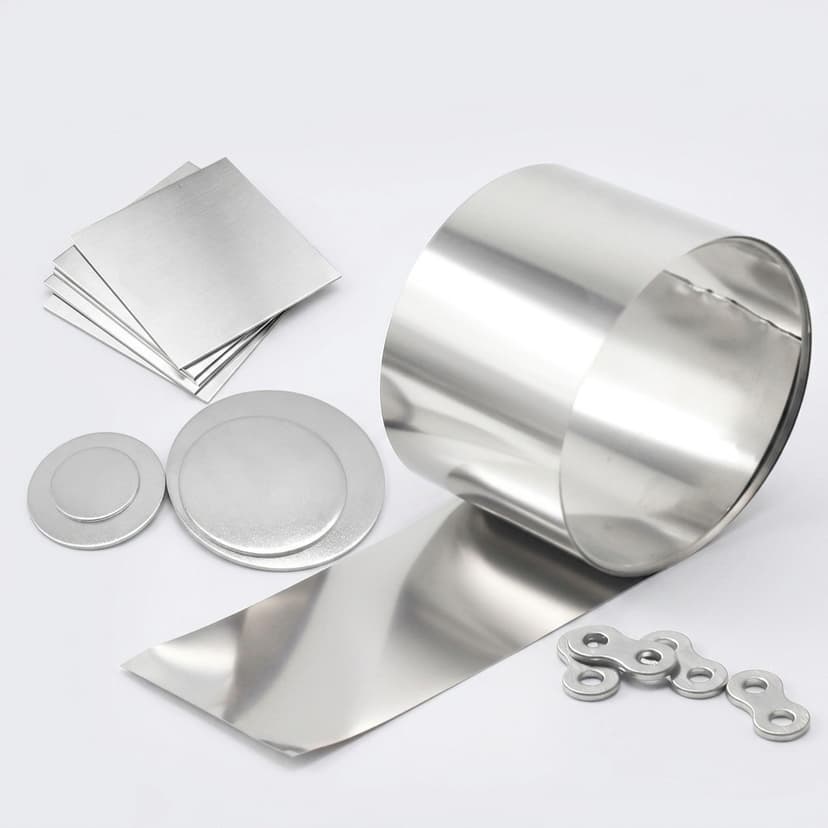
Visual overview of our laser-cut hypotubes, nitinol tubing, and radiopaque marker bands.
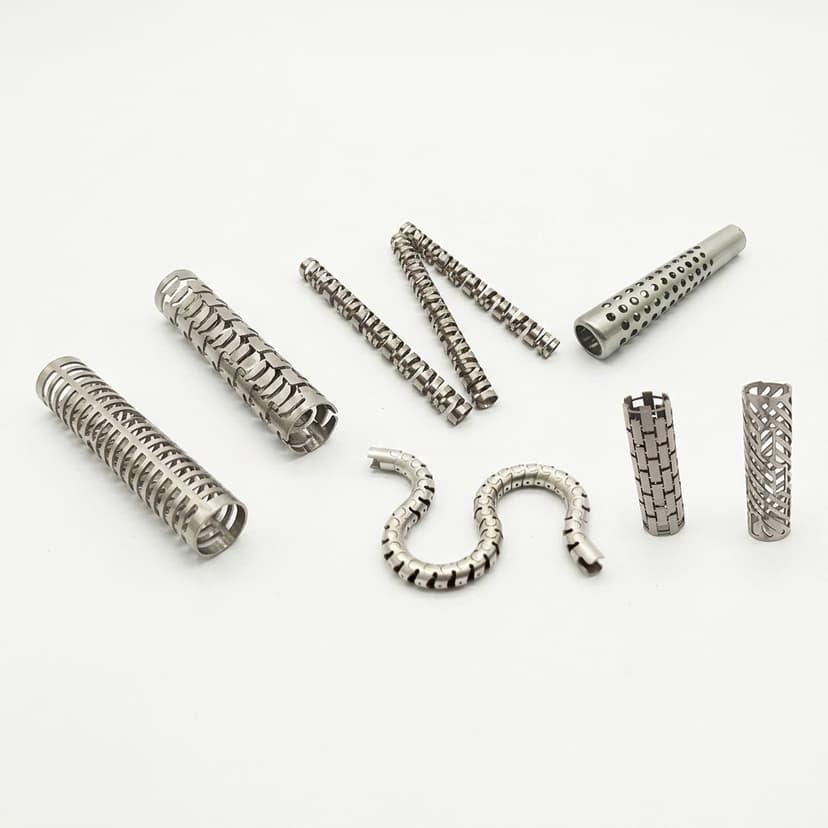
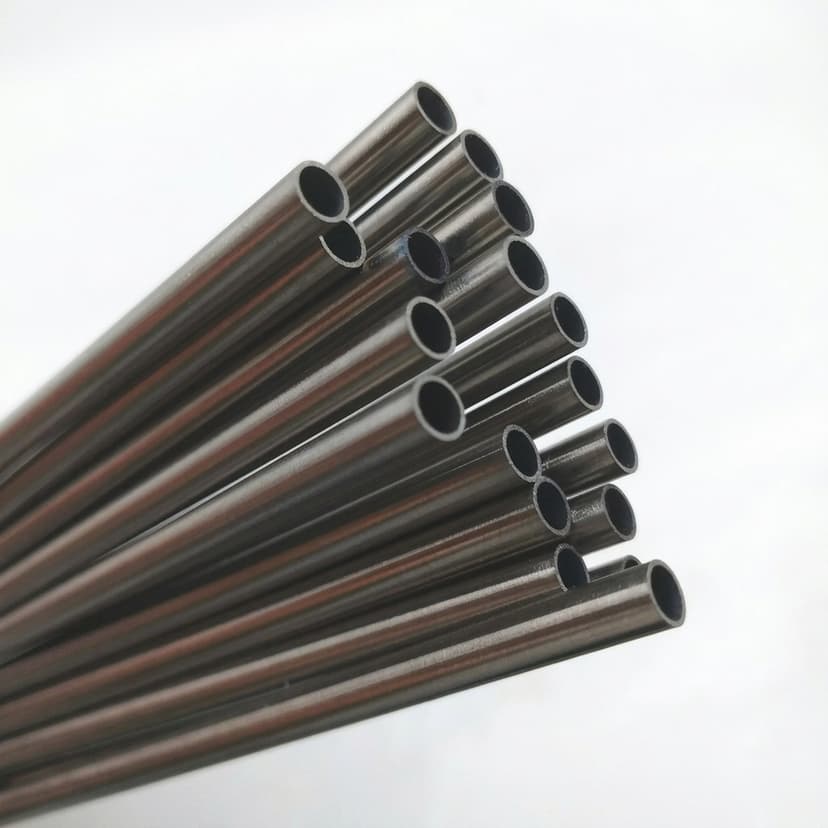
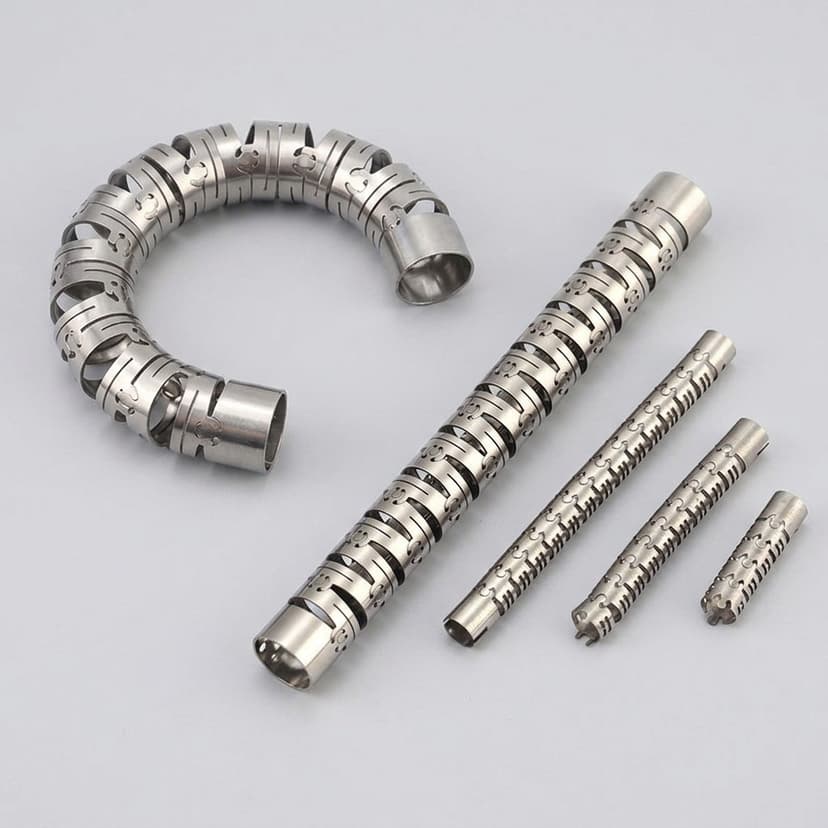
Medical tube buyers need fast confirmation on product fit, drawing-controlled customization, quality evidence, delivery timing, and what to send for a useful quote.
Hypotubes, nitinol tubing, marker bands, cannula tubing, and laser-cut bending sections are positioned by application, material, and critical tolerance.
OD, ID, wall, length, slot geometry, kerf, bridge width, transition length, taper grinding, welding, coating, and finish are reviewed from your drawing.
Dimensional inspection, microscopic edge review, burr control, material certificates, traceability, and release reports are planned before sampling.
A clear path from DFM review to samples, pilot lot, inspection approval, and repeat batch supply reduces sourcing uncertainty.
The RFQ review starts with the actual assembly constraints: catheter fit, stiffness transition, surface condition, visibility, fatigue expectations, and inspection documents needed by your quality team.
Review CapabilitiesBuyers usually lose time when drawings, finish criteria, and inspection evidence are discussed after parts are made. We align those checkpoints during RFQ review.
Material grade, heat lot, certificate expectations, and substitution rules are confirmed early.
Laser-cut edges, HAZ, recast, burr limits, Ra targets, and passivation needs are treated as release criteria.
OD/ID/wall, length, kerf, concentricity, feature spacing, and visual checks can be documented by lot.
Cleaning, protection, labeling, quantity split, destination, and courier timing are included in the quote path.
The process is built for R&D engineers who need samples quickly and sourcing teams who need a controlled route into pilot and production lots.
Send drawings, tolerance stack, surface finish, quantity, and target timeline.
Confirm feasible material, tube size, laser features, deburring, and inspection checkpoints.
Produce prototype parts for fit, flexibility, torque, visibility, or assembly validation.
Lock revision, report format, packaging, lead time, and repeat-order expectations.
This matrix helps cross-functional teams compare component families before opening a detailed RFQ thread.
| Family | Best Fit | Key Metric | Why It Matters |
|---|---|---|---|
| Medical Hypotube | Catheter R&D engineers and contract manufacturers. | Dimensional tolerance: +/- 0.01 mm drawing-driven review | Ensures nested assembly fit. |
| Laser Cut Hypotube | R&D teams needing tight-tolerance laser-cut hypotubes. | Laser slot width: 10-30 um | Controls shaft flexibility. |
| Nitinol Tubing | Engineers seeking nitinol suppliers for difficult micro geometry. | Tube OD range: Sub-mm to 16 mm feasibility review | Critical for micro applications. |
| Catheter Marker Bands | Catheter engineering teams needing reliable marker band fit and visibility. | Dimensional fit: +/- 0.01 mm drawing-driven review | Prevents slippage or cracking. |
| Endoscope Snake Bone Tube | Endoscope engineering teams developing flexible bending sections. | Bending performance: Pattern-specific | Determines steering smoothness. |
| Medical Stainless Steel Tubing | Medical device teams sourcing base material or cut-to-length tubes. | Material certification: Full traceability | Required for medical use. |
Laser-cut hypotube and marker band sourcing support for balloon catheter programs.
Key focus: Assembly stack-up, Flexibility transition zones
Precision hypotube shafts engineered for stent delivery and deployment systems.
Key focus: Pushability, Trackability
Ultra-thin wall hypotubes and nitinol components for neurovascular access.
Key focus: Micro-tolerances, Extreme flexibility
Laser-cut articulating sections for flexible endoscopes.
Key focus: Fatigue resistance, Cable actuation clearance
Practical buyer-side checklists, decision frameworks, and technical insights from our sales engineering team.
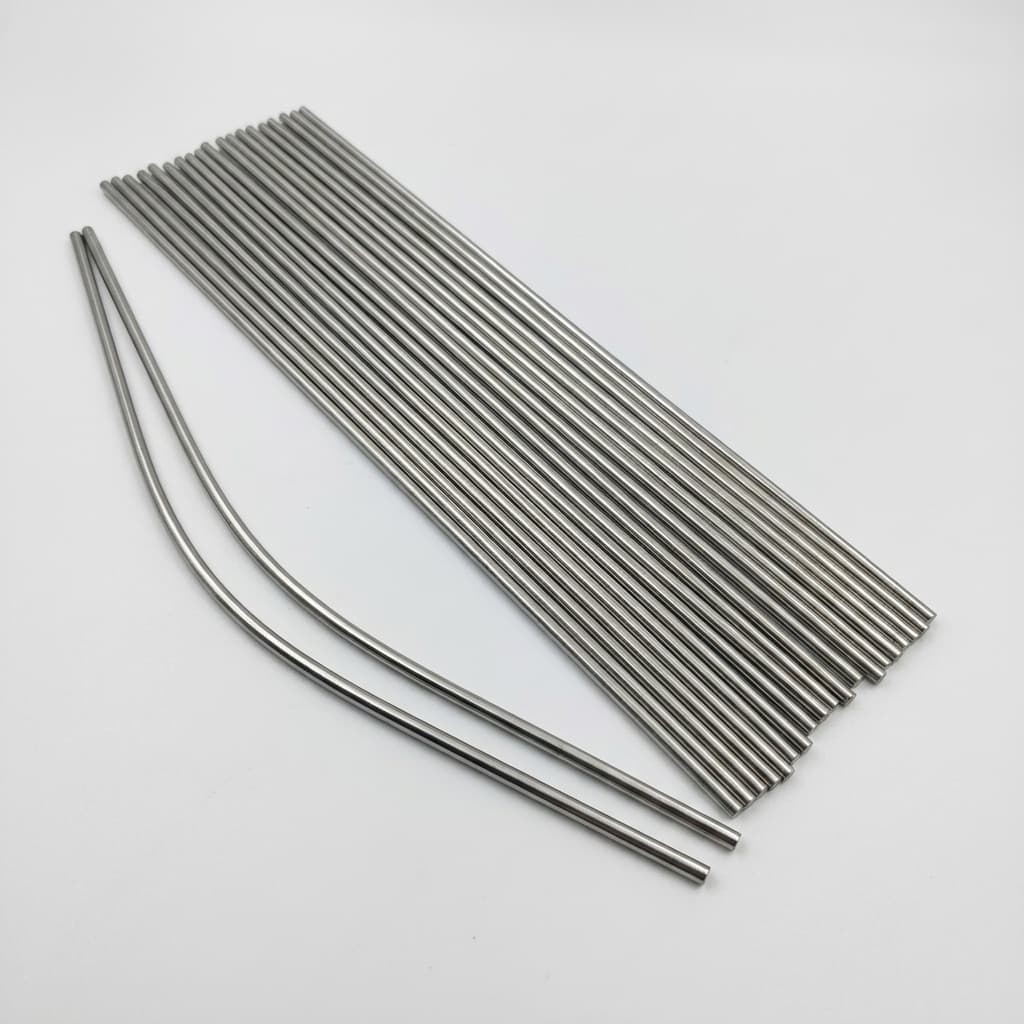
Medical hypotube miniaturization guide for ultra-thin neurovascular catheter walls. Compare tolerances, materials, failure modes, and RFQ trade-offs.


A comprehensive guide for procurement and engineering teams on transitioning away from PTFE-coated medical hypotubes ahead of EU REACH PFAS restrictions. Evaluating silicone, hydrophilic, Parylene, and electropolished bare metal alternatives.
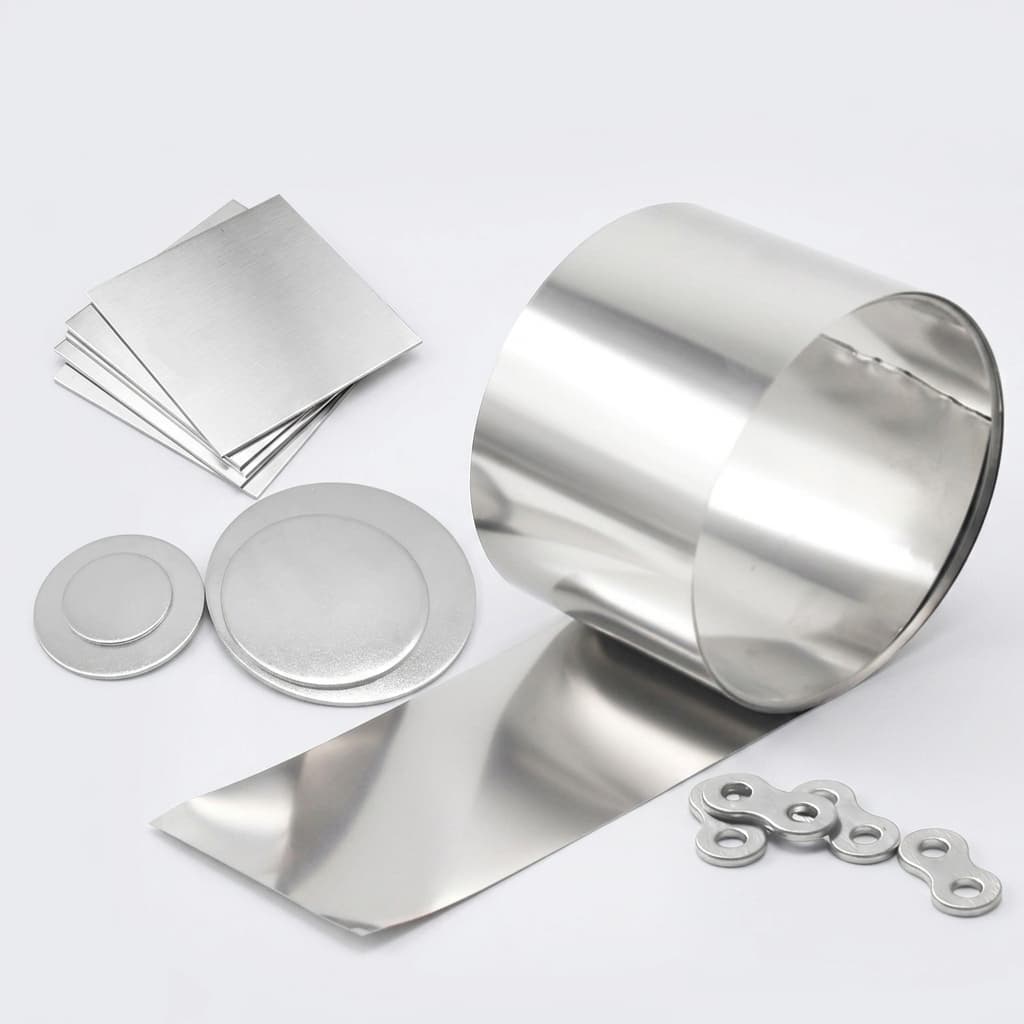
A technical comparison of Pt-Ir, Gold, and Tantalum marker bands, with critical RFQ tolerancing guides for catheter assembly.
FAQ
Share your drawing, material, dimensions, laser pattern, surface finish, documentation needs, and target quantity for quote review.
Inquiry Email
Best for drawings, tolerance tables, inspection needs, and quote history.
Instant Chat
+8618857971991
Fast path for OD/ID, material, sample quantity, and lead-time questions.
To get a rapid engineering evaluation and quote within 12 hours, please include the following details in your inquiry:
Specify Outer Diameter (OD), Inner Diameter (ID), Wall Thickness, and Total Length. Do not use generic gauge numbers; provide strict tolerances (e.g., ±0.01mm).
Indicate the specific alloy required: 304, 316L, Nitinol (ASTM F2063), Platinum-Iridium (Pt90/Ir10), Tantalum, or Gold.
If requesting laser cutting, provide DXF/DWG/PDF drawings showing the cut pattern (spiral, interrupted spiral, puzzle lock), Kerf width, and un-cut segment lengths.
Detail your finish requirements (e.g., Electropolished Ra < 0.1μm, passivated, burr-free) and documentation needs (Material Certifications, CMM Reports).