
RFQ Preparation Checklist
- State target material
- Define ID/OD tight tolerances
- Determine assembly method
Comparing Platinum-Iridium, Tantalum, and Gold for radiopaque catheter marker bands.
| Metric | Typical Range | Impact on Procurement |
|---|---|---|
| Density (Pt/Ir 90/10) | 21.56 g/cm3 | Higher density allows thinner walls for the same visibility. |
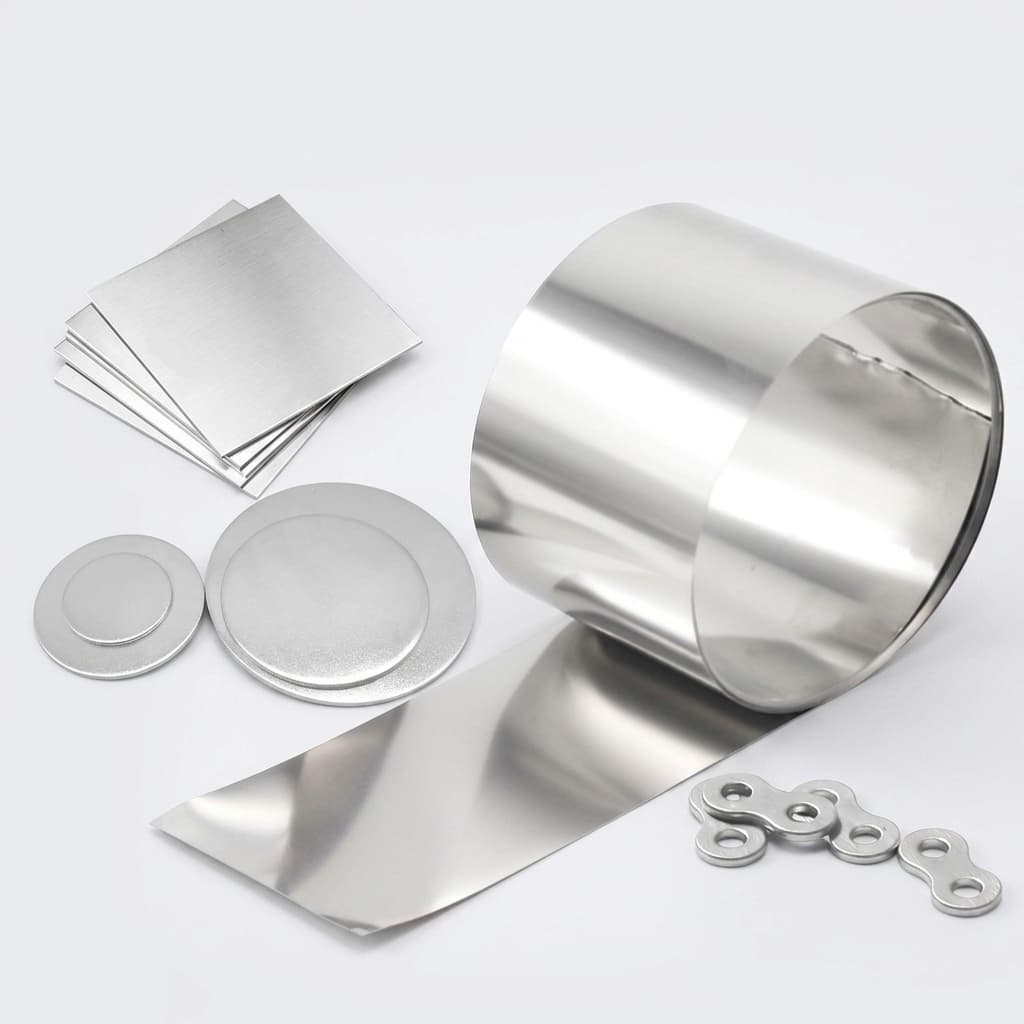
| Material comparison | Pt-Ir, tantalum, gold, tungsten, palladium by design need | Radiopacity, cost, malleability, strength, and corrosion behavior differ by alloy. |
| Fit tolerance | ID/OD/wall/length and chamfer by shaft OD | Marker bands fail by slippage, cracking, or profile growth when fit is underspecified. |
| Decision Factor | Confirm Before Quote | Buyer Impact |
|---|---|---|
| Visibility requirement | Target fluoroscopic contrast, imaging location, wall thickness limit, and material preference. | Prevents overpaying for density or underspecifying visibility in a low-profile catheter. |
| Assembly method | Crimping, swaging, bonding, shaft OD, pull-off expectation, and profile limit. | Connects marker dimensions to actual retention and downstream yield. |
| Edge and packaging control | Chamfer, burr limit, edge radius, cleaning, packaging, and small-part handling needs. | Reduces catheter surface damage and handling loss for micro rings. |
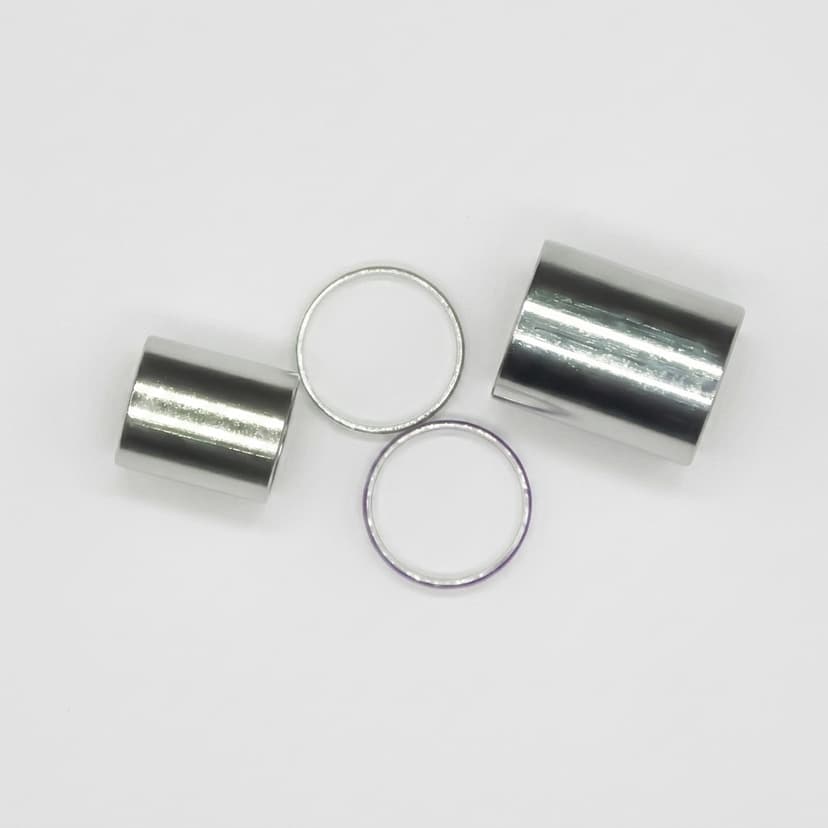
Gold is often used for extreme malleability but has lower tensile strength.
Tantalum can be a cost-effective radiopaque option when the design can accept its density, mechanical behavior, and assembly process limits.
Inquiry Email
Best for drawings, tolerance tables, inspection needs, and quote history.
Instant Chat
+8618857971991
Fast path for OD/ID, material, sample quantity, and lead-time questions.